
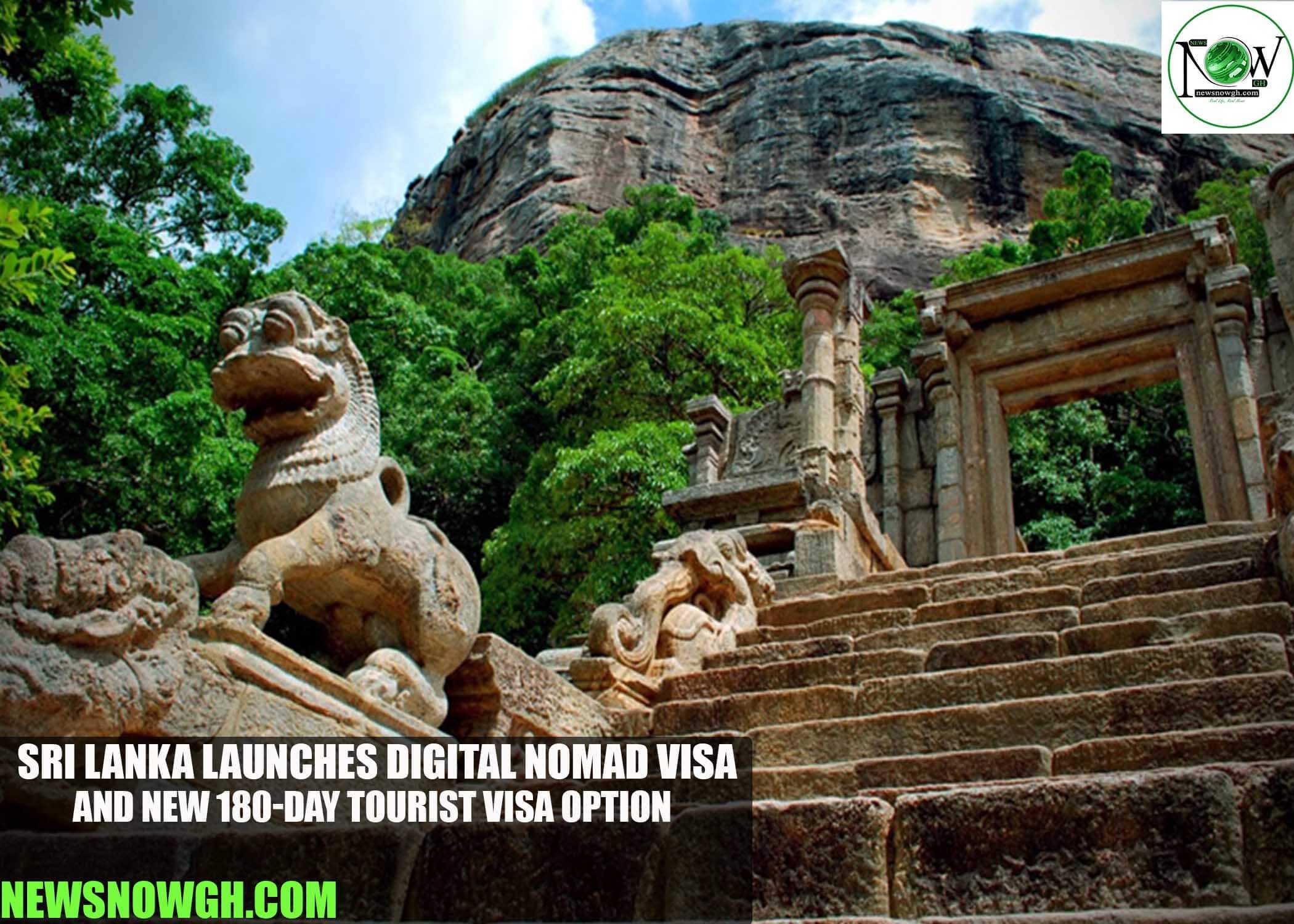
Sri Lanka Launches Digital Nomad Visa and New 180-Day Tourist Visa Option
Sri Lanka has unveiled an exciting opportunity for remote workers and explorers. The introduction of a Digital Nomad Visa and an extension of the tourist visa to 180 days significantly eases long-term stays in this beautiful country. Here’s a closer look at the implications of these new rules for those considering an extended visit.
Digital Nomad Visa: Key Details
Sri Lanka’s new Digital Nomad Visa caters to remote workers who earn their income online for clients or companies outside the country. This marks the introduction of a formal and official option for digital nomads, who previously lacked such a visa.
- Validity Period: This visa offers a one-year stay, with the option to renew.
- Application Fee: The government charges USD 500 for the first year per applicant.
Eligibility Criteria
To qualify for this visa, applicants must:
- Be at least 18 years old.
- Work remotely as an employee, freelancer, or business owner.
- Earn income exclusively from outside Sri Lanka.
- Operate businesses that aren’t registered in Sri Lanka.
- Meet a minimum income threshold established by the government.
Permitted Activities
Holders of the Digital Nomad Visa can:
- Reside in Sri Lanka for an extended period.
- Enroll their children in international or private schools.
- Utilize local internet, phone, and utility services.
- Work from co-working spaces.
- Attend IT-related programs and tourism events.
- Rent or lease accommodation.
- Open and maintain a personal bank account.
However, local employment with a Sri Lankan company remains strictly prohibited for visa holders.
Application Process
The application involves several steps:
- Obtain a recommendation from the Ministry of Digital Economy.
- Arrive in Sri Lanka and complete a medical clearance.
- Submit the visa application to the Department of Immigration.
- Await review and approval.
- Receive the visa from the Department of Immigration and Emigration.
- Upon approval, digital nomads can legally work remotely for overseas clients while enjoying life in Sri Lanka.
Extended Tourist Visa: Now Up to 180 Days
Alongside the Digital Nomad Visa, the tourist visa has now been extended to cover 180 days, doubling the usual allowance of 90 days.
Application Process: Tourists can conveniently apply for this visa through the Sri Lanka Tourist Mobile App, utilizing the Electronic Tourist Visa Activation System. This simplifies the process and avoids complications with embassies.
Government Fees
- SAARC countries: USD 70
- Non-SAARC countries: USD 85
- Singapore, Maldives, Seychelles: USD 50 under bilateral arrangements.
Work Restrictions for Tourists: Tourist visa holders cannot take on local jobs. If working remotely, they may only represent an overseas company or advertise their services while visiting Sri Lanka.
The Motivation Behind This Initiative
Sri Lanka aims to attract remote workers who contribute economically without competing for local jobs. Digital nomads provide a steady income, helping boost the country’s economy. With this move, Sri Lanka positions itself as the first nation in the region to implement an official digital nomad visa, while others like Indonesia and Thailand consider similar initiatives.
Considerations for Remote Work Visas
It’s essential to understand that remote work regulations vary widely and may not be consistently enforced. This inconsistency poses potential legal risks, including fines or tax complications. As the landscape for remote work visas evolves, both workers and employers must stay informed regarding local immigration and tax regulations.
A Move Toward Digital Visa Systems
Sri Lanka’s integration of digital capabilities into its visa processes reflects a broader trend across Asia toward digitizing immigration services. Other countries, such as Singapore and India, are also advancing toward more efficient online applications, resulting in less paperwork and expedited processing times for travelers.
In summary, these new visa options enhance Sri Lanka’s appeal, making it more accessible for remote workers and long-term visitors.
READ MORE
- China Introduces 30-Day Visa-Free Entry for UK Citizens
- Kuwait Introduces New Multiple-Trip Exit Permit to Simplify Travel
- Kuwait Simplifies Visa Regulations: Extended Residency and Updated Fees
- Albania Welcomes Indian Travellers With Easier and Simplified Visa Policies
- US to Fast-Track Visa Appointments for FIFA World Cup 2026 Ticket Holders
- UAE Remote Work Visa Opens: New 6-Month Income Requirement Introduced