
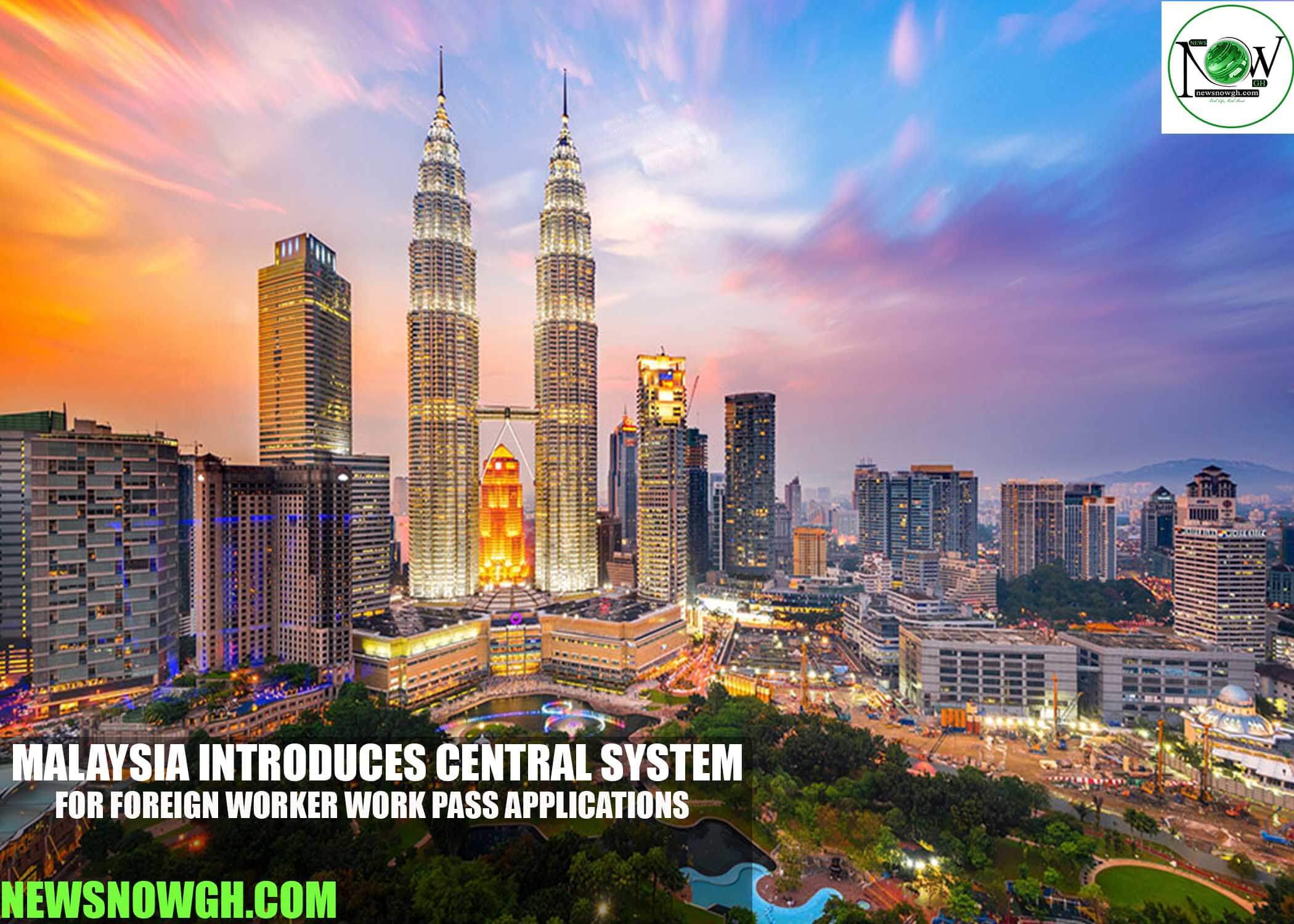
Malaysia Introduces Central System for Foreign Worker Work Pass Applications
Malaysia has introduced a centralized platform to simplify foreign worker applications. This move aims to reduce complexity while improving efficiency for employers and professionals. As global competition for talent increases, such updates create smoother pathways for international hiring.
Malaysia Launches Centralised System for Work Pass Applications
Malaysia has introduced a unified system for foreign worker work pass applications. The process is now managed under the Malaysian Investment Development Authority to ensure better coordination. This update focuses on simplifying application procedures for companies in manufacturing and selected service sectors. By centralizing processes, authorities aim to reduce delays and improve overall efficiency.
One Platform and Single Login for Applications
Under the new system, employers can manage all applications through one integrated platform. This combines MIDA approvals with the Xpats Gateway system into a single interface. Instead of navigating multiple agencies, companies now use one login to complete all steps. Although timelines remain similar, the process becomes more straightforward and easier to track.
This change primarily benefits industries that depend heavily on foreign skilled professionals.
MIDA Oversees the Entire Application Process
The Malaysian Investment Development Authority will now handle every stage of the application journey. This includes approval, processing, and final endorsement of work passes. The centralized system covers Employment Pass applications and passes for foreign graduates. It also includes Professional Visit Pass applications and dependent passes for family members.
Additionally, post-approval processing is managed under the same authority. This structure reduces miscommunication and improves coordination between departments.
What This Means for Foreign Professionals
For foreign workers, eligibility requirements and visa validity remain unchanged under the new system. However, the application experience becomes smoother and more transparent. Applicants may notice improved coordination and fewer administrative steps during the process. Employers can also track applications more easily through the centralized platform.
Overall, the update supports faster processing and better communication across all stages.
Why Malaysia Is Streamlining Its System
Malaysia continues to strengthen its position as a hub for the manufacturing and services industries. Simplifying work permit processes helps attract global talent more effectively. Centralization also ensures consistent decision-making and reduces duplicate documentation requirements. As a result, companies can hire skilled professionals with greater confidence.
This reform reflects broader efforts to modernize immigration systems and support economic growth.
Final Thoughts
Malaysia is streamlining foreign worker applications through a centralized, digital approach. By combining processes into a single system, the country reduces complexity for employers and applicants. For professionals and businesses alike, this change offers a clearer and more predictable path forward.
READ MORE
- Thailand to Reduce Visa-Free Stay to 30 Days With Optional Extension
- US Expands $15,000 Visa Bond Policy to 50 Countries: See the Complete List
- H-1B FY2027 Filing Deadline Approaches: Key Updates and New Lottery System
- Pakistan Suspends Visa-on-Arrival Policy, Makes eVisa Compulsory for All Travelers
- UK Announces 2026 Visa Fee Hike: ETA, Visit, Work, and Student Visa Costs Updated
- New Zealand Launches 6-Month Graduate Work Visa and Expands Post-Study Work Opportunities