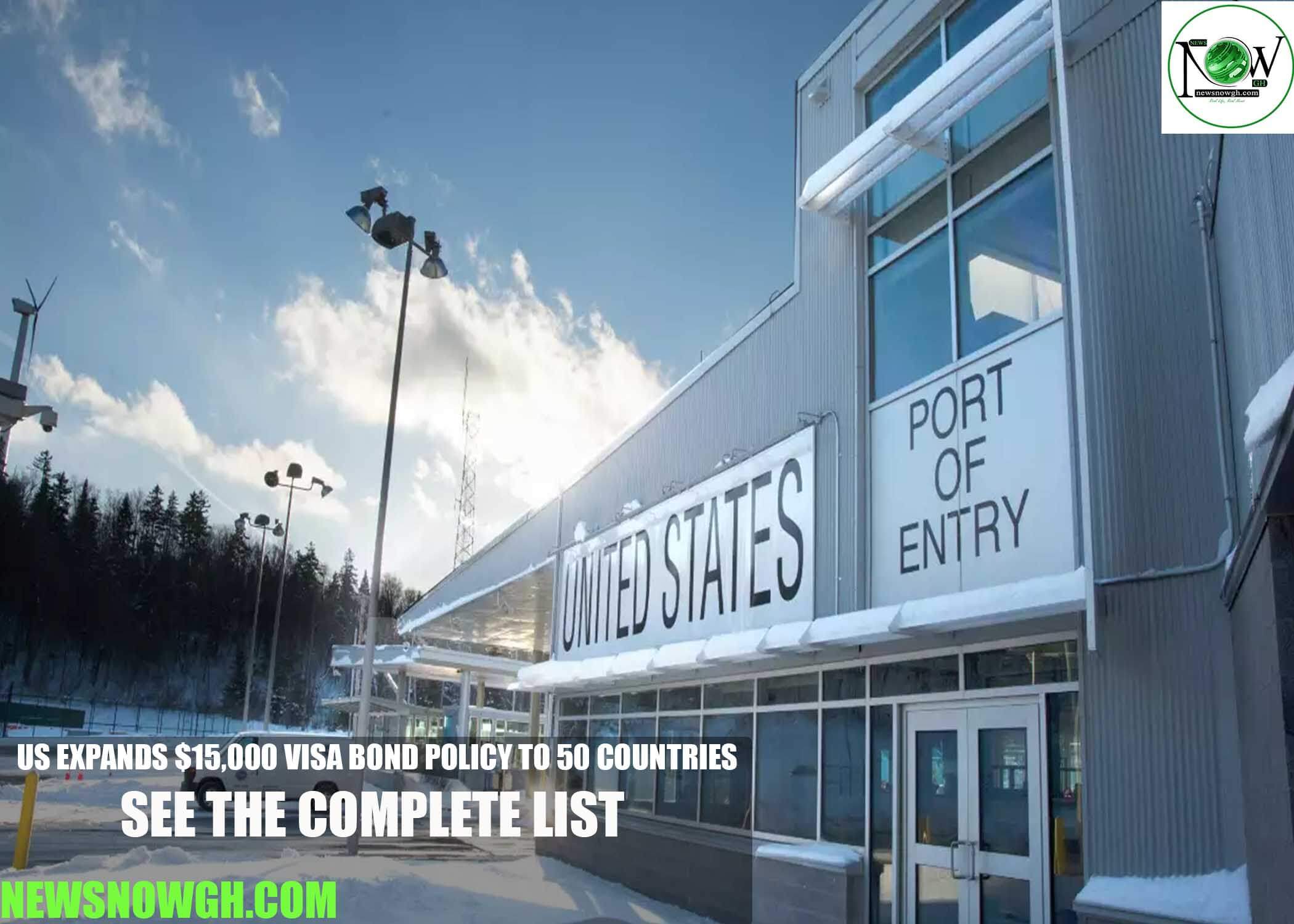
US Expands $15,000 Visa Bond Policy to 50 Countries: See the Complete List
The United States now plans a wider visa bond requirement, and it may impact planning quickly. Under this policy, some travelers may need to post a refundable deposit before travel. Although the bond returns later, the upfront process deserves careful attention now. If you plan a US visit using a B1/B2 visa, review this update closely. Some applicants may be asked for a large refundable security amount. So, understand how it works before your interview begins.
What Is the New US Visa Bond Rule?
The US government is expanding a security bond rule for certain B1/B2 applicants. This applies when travelers apply for a business or tourist visitor visa. You will not pay automatically; instead, a visa officer decides. Possible deposit levels include 5,000, 10,000, or up to 15,000.
You only pay if the officer requests it during your visa interview. If you follow visa rules and depart on time, you should get it back. US authorities say the change aims to reduce visa overstays. They target cases where previous data suggested higher overstay risks. Therefore, they add a financial incentive for timely departure.
12 New Countries Added From April 2, 2026
Starting April 2, 2026, more travelers may face a visa bond request. The expanded list includes countries such as Cambodia and Ethiopia. It also adds Georgia, Grenada, and Lesotho to the covered group. Other new additions include Mauritius, Mongolia, and Mozambique as well. Nicaragua, Papua New Guinea, and Seychelles now join the requirement, too. Tunisia also appears in the expanded set for April 2, 2026.
With this update, the total coverage reaches 50 countries nationwide. So, travelers from these places should prepare for possible deposit requests.
How Much Will You Pay?
Not every applicant pays the maximum amount, so details matter. The visa officer sets the bond after reviewing your specific situation. You will only be informed after the interview, never before it. Lower-risk cases may receive a 5,000 bond request. Medium risk cases can be asked to post 10,000. Higher risk cases may reach up to 15,000 in deposits.
Key Rules You Shouldn’t Ignore
Several strict requirements govern how you must handle the bond.
- First, you must pay only through official US channels. You should submit Form I-352 and use Pay.gov to pay. Avoid paying through third-party websites, because refunds may not apply.
- Second, paying the bond does not guarantee visa approval. Instead, it remains an added requirement without any promise.
- Third, entry expectations become stricter when a bond is issued. You must enter and exit through commercial airports only. Land borders, sea routes, charter flights, and private jets are excluded.
If you fail to follow these travel rules, refund processing can stall. Your departure records may not match program requirements.
When Will You Get the Money Back?
Refunds may happen automatically when you meet the conditions. Your bond can be returned if you leave on time. It may also return if you never use the visa. You may receive the money back if you are denied entry at the airport. Also, proper compliance helps ensure smooth refund decisions later. So, you should track your travel dates carefully.
When Could You Lose the Bond?
You may lose the deposit if you violate the visa terms. For example, overstaying your visa can trigger forfeiture. Leaving late can also create problems for the refund decision. Additionally, changing status, such as applying for asylum, may affect eligibility. In such cases, authorities review your situation carefully. So, follow your original visa plan unless you receive guidance.
Why Is the US Doing This?
US officials state the policy responds to overstays seen in certain regions. They claim the bond supports compliance and encourages timely returns. The approach also helps make travel enforcement more consistent. Officials further say earlier phases reduced overstay numbers. Therefore, they expanded the program to additional countries.
Who Is NOT Affected?
This bond rule does not apply to everyone traveling to the US. If you enter under the ESTA system without needing a visa, it generally won’t apply. It mainly targets travelers who must apply for a B1/B2 visa.
What This Means for Travelers
The main message stays clear: not everyone will face a bond request. If you are asked, it functions as a refundable deposit. Your compliance still determines whether you receive it back. Travelers from the listed countries should prepare before the interview. By understanding the process early, you can avoid last-minute confusion. So, plan paperwork and travel logistics.
Full List Now Covers 50 Countries
The bond program rolled out in phases beginning in 2025. Now, it covers 50 countries across Africa, Asia, the Caribbean, and the Pacific.
- Cambodia
- Ethiopia
- Georgia
- Grenada
- Lesotho
- Mauritius
- Mongolia
- Mozambique
- Nicaragua
- Papua New Guinea
- Seychelles
- Tunisia
- Algeria
- Angola
- Antigua and Barbuda
- Bangladesh
- Benin
- Burundi
- Cabo Verde
- Côte d’Ivoire
- Cuba
- Djibouti
- Dominica
- Fiji
- Gabon
- Kyrgyzstan
- Nepal
- Nigeria
- Senegal
- Tajikistan
- Togo
- Tonga
- Tuvalu
- Uganda
- Vanuatu
- Venezuela
- Zimbabwe
- Bhutan
- Botswana
- Central African Republic
- Guinea
- Guinea-Bissau
- Namibia
- Turkmenistan
- Mauritania
- São Tomé and Príncipe
- Tanzania
- Gambia
- Malawi
- Zambia
If you feel uncertain, verify inclusion before submitting your application. That step can save time and help you budget confidently.
Final Thoughts
This policy is not a blanket requirement, but it adds real preparation needs. For compliant travelers, the main effect becomes a possible temporary deposit. Still, you should consider it before booking and arranging travel. If the bond applies to you, treat it like a compliance tool. Follow conditions carefully, and you can improve your chances of a refund. With smart planning, your trip remains smooth from interview to departure.
READ MORE
- UAE Removes Visa Overstay Fines for Travelers Delayed by Flight Issues
- Japan Introduces New Requirement for Permanent Residency Applications
- France to Increase Residence Permit and Citizenship Fees Effective May 2026
- Kuwait Offers Visit Visa Extension and Extra Three Months for Residents Abroad
- Armenia Delays Work Visa and Immigration Reform Rollout for November 2026
- UK Suspends Student Visas for Four Countries and Halts Work Visas for Afghans Starting March 26