
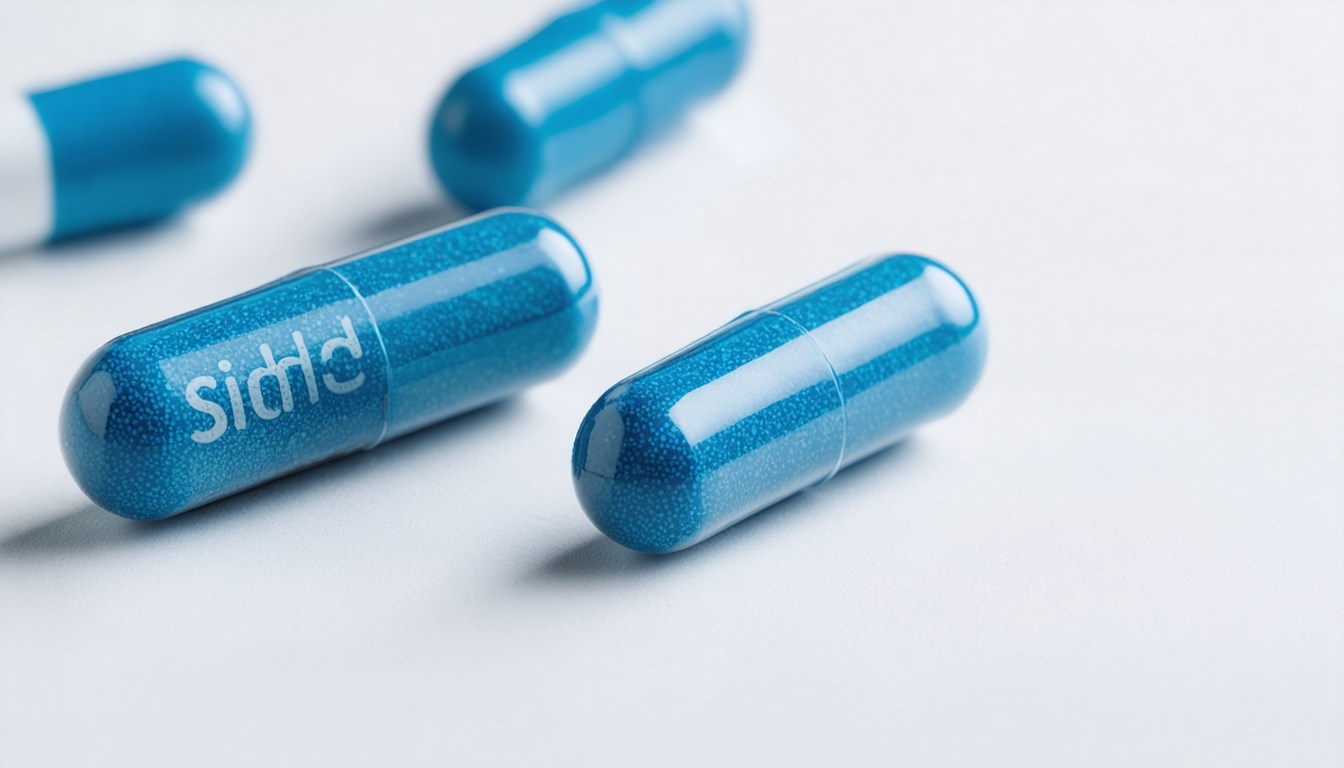
“Sildenafil” — answers to the main questions
Disclaimer: This article is for informational purposes only and does not replace professional medical advice, diagnosis, or treatment. Always consult a licensed healthcare provider regarding questions about medications or health conditions.
Frequently asked questions (FAQ block at the beginning)
What is sildenafil?
Sildenafil is a prescription medication used primarily to treat erectile dysfunction (ED) and pulmonary arterial hypertension (PAH). It belongs to a class of drugs called phosphodiesterase type 5 (PDE5) inhibitors. It works by improving blood flow in specific areas of the body.
How does sildenafil work in the body?
Sildenafil blocks the PDE5 enzyme, which regulates blood flow. In erectile dysfunction, this helps relax blood vessels in the penis during sexual stimulation. In pulmonary hypertension, it relaxes blood vessels in the lungs, reducing pressure and improving exercise capacity.
Why does erectile dysfunction happen?
ED can result from reduced blood flow, nerve damage, hormonal imbalances, stress, anxiety, or chronic conditions such as diabetes and heart disease. Lifestyle factors like smoking and obesity also contribute. Understanding the cause helps determine whether sildenafil is appropriate.
How do I recognize if sildenafil might help me?
If you have ongoing difficulty achieving or maintaining an erection sufficient for sexual activity, you may have ED. For PAH, symptoms include shortness of breath, fatigue, and chest discomfort. A medical evaluation is necessary before starting treatment.
Is sildenafil the same as Viagra?
Viagra is a brand name for sildenafil used to treat erectile dysfunction. The same active ingredient may also be sold under other brand names or as a generic medication. For pulmonary hypertension, sildenafil may be marketed under a different brand name.
How long does sildenafil take to work?
For erectile dysfunction, it usually begins working within 30 to 60 minutes when taken before sexual activity. Sexual stimulation is still required. For PAH, it is taken regularly as prescribed and works over time to improve symptoms.
How long do the effects last?
The effects for ED typically last up to four hours, though this does not mean a continuous erection. The duration varies depending on age, metabolism, and overall health.
What are the common side effects?
Common side effects include headache, facial flushing, nasal congestion, upset stomach, and dizziness. Some people may notice temporary visual changes, such as a blue tint or light sensitivity.
Are there serious dangers associated with sildenafil?
Serious risks include a sudden drop in blood pressure (especially if combined with nitrates), chest pain, vision or hearing loss, and prolonged erections lasting more than four hours (priapism). These require immediate medical attention.
Who should not take sildenafil?
People who take nitrate medications for chest pain, have severe heart or liver problems, recent stroke or heart attack, or very low blood pressure should avoid it unless specifically cleared by a doctor. Always disclose all medications and supplements.
Can sildenafil be taken with alcohol?
Small amounts of alcohol may be tolerated, but excessive drinking can reduce effectiveness and increase side effects like dizziness or low blood pressure. Alcohol itself can worsen erectile dysfunction.
When should I see a doctor about erectile dysfunction?
If ED happens frequently, persists for several weeks, or is accompanied by other symptoms such as chest pain or fatigue, consult a healthcare provider. ED can be an early warning sign of cardiovascular disease.
Detailed breakdown
1. Medical uses: Erectile dysfunction and pulmonary hypertension
Sildenafil is approved for two main conditions:
- Erectile dysfunction (ED): Improves blood flow to support erections during sexual stimulation.
- Pulmonary arterial hypertension (PAH): Lowers pressure in lung arteries and improves exercise tolerance.
Although widely known for ED treatment, its role in cardiopulmonary medicine is also well established. For more health-related guides, visit our Health section.
2. Safety profile and drug interactions
The most critical interaction is with nitrates (such as nitroglycerin), which can cause a dangerous drop in blood pressure. Caution is also required with alpha-blockers, certain antifungals, antibiotics, and HIV medications.
People with underlying cardiovascular disease should undergo medical assessment before using any PDE5 inhibitor. If you are managing chronic illness, you may find more guidance in our Health Tips category.
3. Side effects: What is common vs. urgent
Most side effects are mild and temporary. However, sudden vision loss, hearing changes, fainting, or chest pain are emergencies. A prolonged erection lasting more than four hours requires urgent care to prevent permanent damage.
| Symptom / Situation | Urgency Level | Where to Seek Help |
|---|---|---|
| Mild headache or flushing | Low | Monitor; consult doctor if persistent |
| Dizziness with standing | Moderate | Contact healthcare provider |
| Chest pain after taking | High | Emergency department immediately |
| Vision or hearing loss | High | Emergency medical care |
| Erection lasting more than 4 hours | Critical | Emergency department immediately |
4. Psychological and lifestyle factors
Medication alone may not address all causes of ED. Stress, anxiety, depression, poor sleep, smoking, and lack of exercise can contribute. Combining medical evaluation with lifestyle improvements often provides better long-term outcomes.
Relationship and mental health factors also play a role. You can explore related discussions in our Relationship section.
5. Myths and misconceptions
Myth: It increases sexual desire.
Fact: It improves blood flow but does not increase libido.
Myth: It works instantly.
Fact: It requires time and sexual stimulation.
Myth: It is safe for everyone.
Fact: Certain medical conditions and medications make it unsafe.
Checklist: what you can do today
- Schedule a medical check-up if you have persistent erectile difficulties.
- Discuss all medications and supplements with your doctor.
- Check your blood pressure and blood sugar regularly.
- Stop smoking and limit alcohol consumption.
- Engage in regular physical activity.
- Maintain a healthy weight.
- Manage stress through relaxation techniques or counseling.
- Seek emergency care for chest pain or prolonged erection.
- Avoid buying prescription medications from unverified online sources.
- Follow up regularly if you are being treated for pulmonary hypertension.
Sources
- U.S. Food and Drug Administration (FDA) – Drug Safety Communications
- National Institutes of Health (NIH)
- MedlinePlus – Sildenafil
- American Urological Association (AUA) Guidelines on Erectile Dysfunction
- American Heart Association (AHA)
- European Society of Cardiology (ESC) Guidelines on Pulmonary Hypertension
- World Health Organization (WHO)