
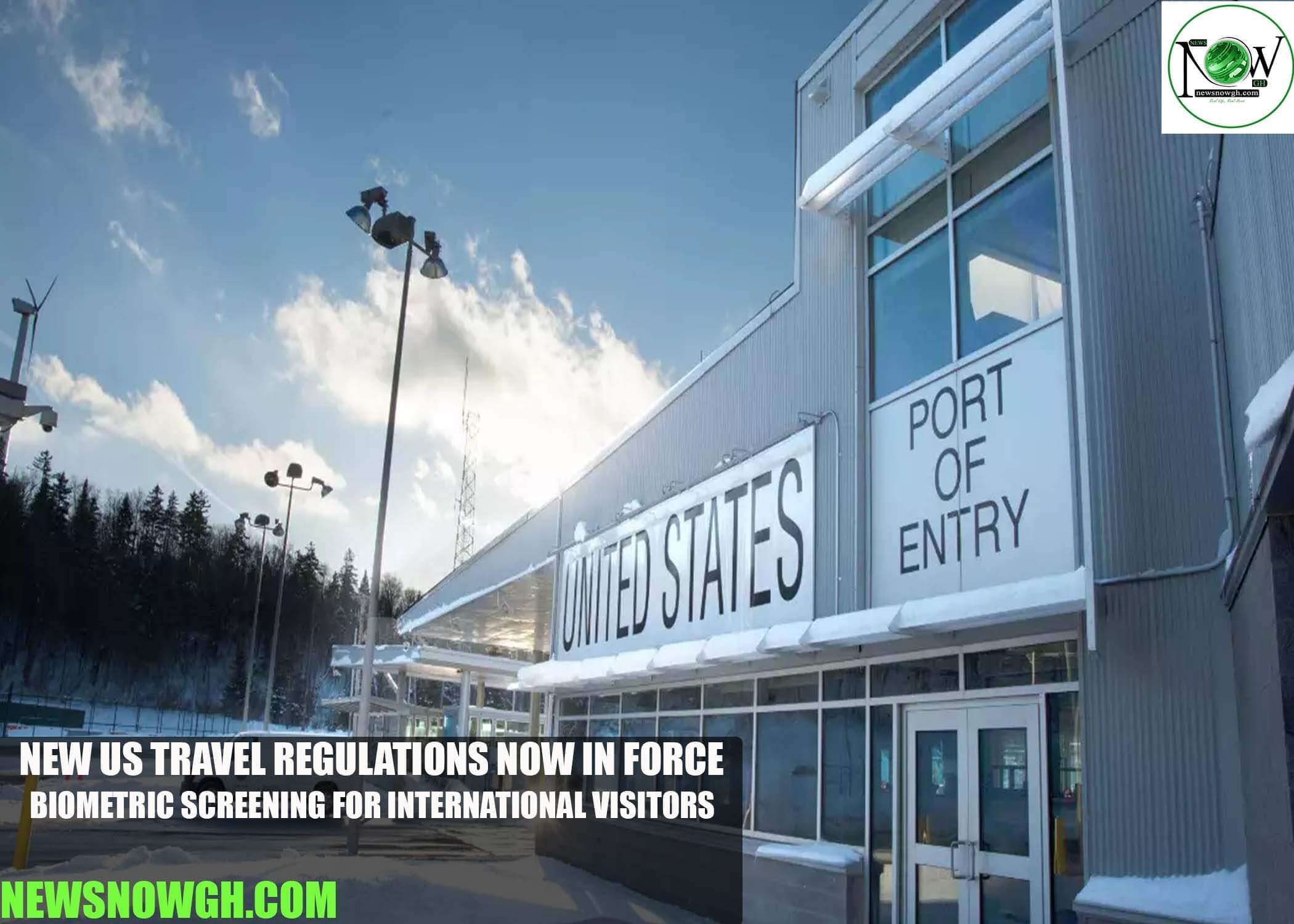
New U.S. Travel Regulations Now in Force: Biometric Screening for International Visitors
The United States has implemented new, stricter immigration rules for non-citizens. Effective December 26, 2025, these regulations introduce biometric screening at every entry and exit point. Here’s what international travelers need to know.
Mandatory Biometric Screening
Starting December 26, the U.S. border checks for non-U.S. citizens have become significantly more thorough. U.S. Customs and Border Protection (CBP) is now required to collect biometric data each time a non-citizen enters or exits the country. This applies to all travel routes, including:
- Airports
- Seaports
- Land Borders
- Private Aircraft
- Pedestrian Crossings
Travelers should be prepared for their photo to be taken at these points.
Expanded Coverage of Exemptions
The new regulations eliminate previous exemptions for age and category. Children under 14 and adults over 79 now must undergo biometric checks. Additionally, diplomats and Canadian visitors are also included, whereas they were previously exempt. This change broadens the scope of biometric collection beyond just airports, covering various travel modes.
Types of Data Collected
When green card holders travel, border officers may collect several types of biometric information, including:
- Facial Photographs
- Fingerprints
- Iris Scans (in some cases)
These details are matched with travel records using the Traveller Verification Service, which links biometrics to passports and visas. Although U.S. citizens are not required to participate, they can opt out and choose a manual passport check.
Increased Scrutiny for Green Card Holders
Another critical change impacts permanent residents. Green card holders can continue to live and work in the U.S., but their travel is now under closer scrutiny, especially if linked to specific security-concerned countries. Reports indicate that federal agencies will monitor international travel by non-U.S. citizens more rigorously, and they may ask detailed questions about travel history and residence.
Re-Review of Immigration Cases
According to an early December report, immigration authorities will begin re-reviewing and re-interviewing immigrants from certain flagged countries. Some cases could date back several years. The government aims to tighten security checks for those applying for permanent status or citizenship. Travelers should expect more detailed inquiries at border checks, which could lead to noticeable application delays.
Application Delays Already Occurring
On December 2, 2025, the U.S. Citizenship and Immigration Services (USCIS) paused reviews of green card, citizenship, and asylum applications for nationals from specific countries. If you have an application pending, anticipate potential delays. Green card holders are encouraged to have their passports, residency documents, and travel records organized and accessible.
Upcoming Travel Bans in 2026
Starting January 1, 2026, USCIS will expand travel restrictions from 19 countries tied to previous travel bans. Full entry restrictions will apply to nationals from twelve countries, including:
- Afghanistan
- Iran
- Libya
- Sudan
Partial restrictions will affect travelers from seven additional countries. These measures follow earlier security actions impacting visa processing and entry permissions.
Conclusion
If you’re a non-U.S. citizen traveling to or from the United States, prepare for longer wait times at border checks. Expect biometric scans during every trip. Green card holders must carry all relevant documents and be prepared for further questioning. If applying for a visa or permanent residency, be prepared for unexpected delays.
These new regulations are now in effect, representing a significant shift in border and immigration procedures. All travelers should stay informed and adapt to these changes to ensure a smoother travel experience.
READ MORE
- India Increases e-Visa Charges for Business and Long-Term Travelers
- South Korea Extends K-ETA Waiver for Visa-Free Travelers Through 2026
- New Zealand Opens 5,000 Skilled Work Visa Slots for Indians Under New Pact
- US Ends H-1B Visa Lottery in 2026, Shifting Focus to Higher Skills and Wages
- Kuwait Introduces New Residency Rules: Entry and Visit Visa Fees at KD10 Per Month
- Denmark Launches 10-Day Work Permit Exemption for Essential Event Personnel