
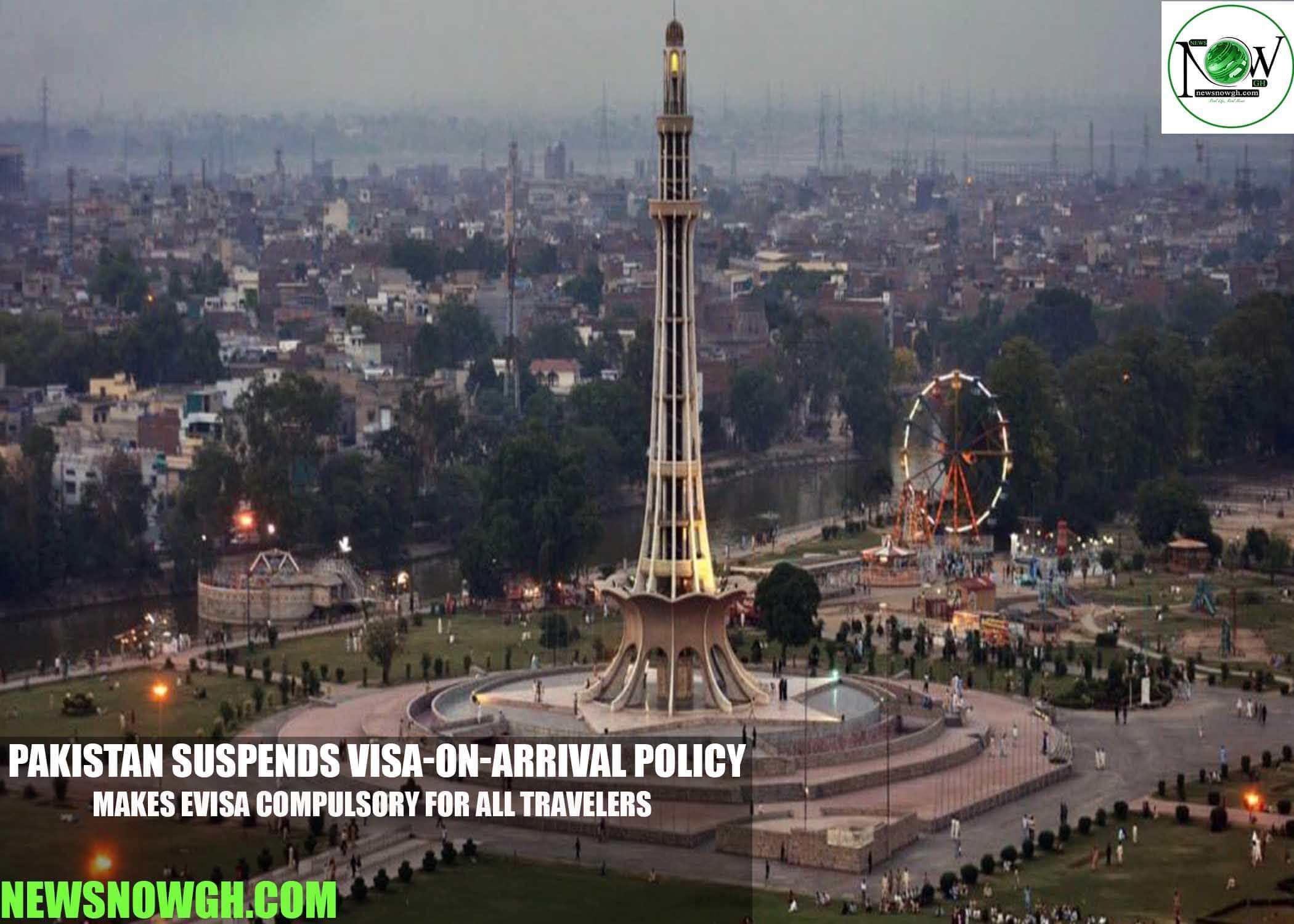
Pakistan Suspends Visa-on-Arrival Policy, Makes eVisa Compulsory for All Travelers
Pakistan has introduced a major visa policy shift affecting entry procedures. These updates remove quick-entry options and emphasize early preparation for all visitors. Therefore, travelers must now adjust their plans to meet the new requirements.
Pakistan Suspends Visa-on-Arrival and Fast-Track Options
Pakistan has recently paused both the visa-on-arrival and fast-track visa approval systems. Previously, many travelers relied on these options for quick and convenient entry approvals. However, these routes are no longer available for immediate or short-notice travel plans. Interestingly, authorities have not released an official explanation regarding this sudden policy change. As a result, it remains unclear whether this decision is temporary or long-term.
No More Last-Minute Travel Approvals
Until recently, travelers had two simple ways to secure quick entry into Pakistan. These included obtaining a visa upon arrival or applying through a fast-track online system. Both options allowed approvals within one to two days, making last-minute travel possible. Now, these options are suspended, removing flexibility for urgent or spontaneous trips.
Consequently, travelers without approved visas will not be allowed to board flights. This change makes planning necessary for all visitors.
eVisa Now the Only Available Option
Currently, the eVisa system is the only way to enter Pakistan legally. All travelers requiring visas must complete their applications through the official online platform. However, processing now takes approximately twenty working days for most applicants. Additionally, there is no fast-track or urgent processing option available at this time.
Compared to previous timelines, this represents a significant increase in waiting periods. Therefore, applicants must carefully plan their travel schedules around these delays.
Simple Steps to Apply for a Pakistan eVisa
- To begin, applicants must visit the official eVisa portal and create an account. They should then complete the application form and carefully upload the required documents.
- Next, applicants must pay the applicable visa fee based on their nationality. Tourist eVisa fees typically range between twenty and sixty United States dollars.
- After submission, applicants must wait for processing, which takes around twenty working days. Once approved, the eVisa will be sent via email for printing and travel use.
Important Information for Applicants
Most eVisas allow single-entry stays of up to ninety days within Pakistan. In some cases, travelers may apply for extensions while remaining داخل the country. Applicants must provide a valid passport, a recent photograph, and travel-related details during submission. Additionally, supporting documents such as hotel bookings may sometimes be required. To avoid stress, travelers should apply at least three to four weeks before departure.
Plan Ahead to Avoid Disruptions
With these new rules, early planning has become essential for anyone visiting Pakistan. Delays or missing documents could easily disrupt travel schedules if applications are rushed. Travelers should confirm eligibility, prepare documents early, and avoid booking non-refundable tickets prematurely. Monitoring updates is also important, as policies may change without prior notice.
Final Thoughts
Pakistan still welcomes visitors, but the process now requires more preparation and patience. While travel remains possible, spontaneity is no longer an option under current rules. Ultimately, careful planning will ensure a smoother journey and prevent unexpected complications.
READ MORE
- UAE Removes Visa Overstay Fines for Travelers Delayed by Flight Issues
- Japan Introduces New Requirement for Permanent Residency Applications
- France to Increase Residence Permit and Citizenship Fees Effective May 2026
- Kuwait Offers Visit Visa Extension and Extra Three Months for Residents Abroad
- Armenia Delays Work Visa and Immigration Reform Rollout for November 2026
- UK Suspends Student Visas for Four Countries and Halts Work Visas for Afghans Starting March 26