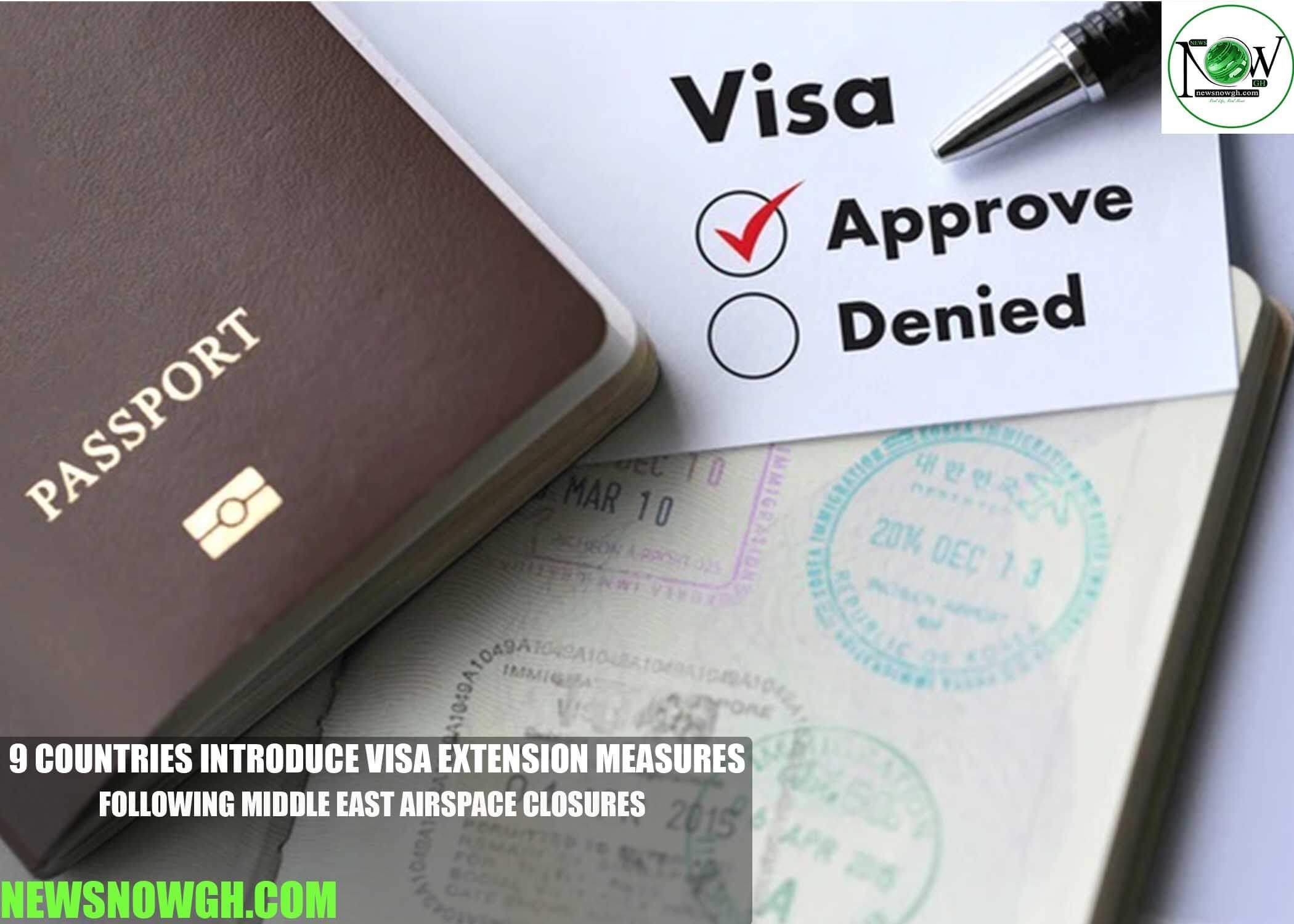
9 Countries Introduce Visa Extension Measures Following Middle East Airspace Closures
Recent airspace closures across the Middle East have created widespread travel challenges. Governments are now stepping in with temporary visa solutions and emergency support measures. Therefore, staying informed is essential for anyone affected by these ongoing developments.
Nine Countries Introduce Visa Relief Measures Amid Airspace Disruptions
Several nations have introduced temporary visa extensions and flexible entry arrangements to support affected travelers. These measures aim to reduce stress caused by cancelled flights and restricted travel routes. As the situation evolves, policies may continue changing based on regional developments.
Airspace Closures and Flight Disruptions Across the Region
Airspace closures have affected multiple countries across the Middle East in recent weeks. These include Iran, Israel, Kuwait, the United Arab Emirates, Bahrain, Iraq, and Qatar. Airlines have already suspended or rerouted flights to avoid restricted airspace zones. Additionally, some land borders now operate with limitations or remain temporarily closed. Travelers should regularly check official updates before planning any journeys.
Countries Offering Visa Extensions and Support Measures
Governments worldwide are introducing temporary immigration relief to support stranded travelers and residents.
In India, foreign nationals can contact immigration offices for visa extensions or stay regularization. Meanwhile, Israel has introduced automatic visa extensions for several visa categories. Kuwait is offering one-month automatic extensions and waiving overstay fines for affected visitors. Similarly, Qatar allows visa extensions online without additional fees.
Saudi Arabia has implemented limited emergency entry options through land border arrangements. In Thailand, travelers can remain without penalties or request temporary extensions. The United Arab Emirates is waiving overstay fines and supporting stranded residents with flexible return options. Outside the region, Canada and the United Kingdom have also introduced temporary visa concessions.
Consular Services Facing Operational Delays
Embassies and consulates across affected areas are operating with reduced staff and limited services. This situation may delay visa processing, passport renewals, and document verification requests. Additionally, emergency travel document issuance may take longer than usual in some locations. Travelers should contact their embassies early to avoid unnecessary complications.
Practical Steps Travelers Should Take
Travelers should monitor airline updates frequently for cancellations, delays, or route changes. Checking official government announcements is equally important during this rapidly evolving situation. It is also advisable to register with your embassy for timely updates and assistance. Keeping both digital and printed copies of important documents can prevent further complications.
Avoiding non-essential travel to affected regions is strongly recommended during this period. Maintaining communication with airlines, employers, and travel providers can also help manage disruptions effectively.
Final Thoughts
Travel across the Middle East remains uncertain due to ongoing airspace restrictions and safety concerns. However, governments are taking steps to ease the burden through temporary visa flexibility. Staying alert, flexible, and well-informed will help travelers navigate these challenges more confidently.
READ MORE
- Thailand to Reduce Visa-Free Stay to 30 Days With Optional Extension
- US Expands $15,000 Visa Bond Policy to 50 Countries: See the Complete List
- H-1B FY2027 Filing Deadline Approaches: Key Updates and New Lottery System
- Pakistan Suspends Visa-on-Arrival Policy, Makes eVisa Compulsory for All Travelers
- UK Announces 2026 Visa Fee Hike: ETA, Visit, Work, and Student Visa Costs Updated
- New Zealand Launches 6-Month Graduate Work Visa and Expands Post-Study Work Opportunities